
The Most Reliable AWD Vehicles for Harsh Winter Roads in Ontario
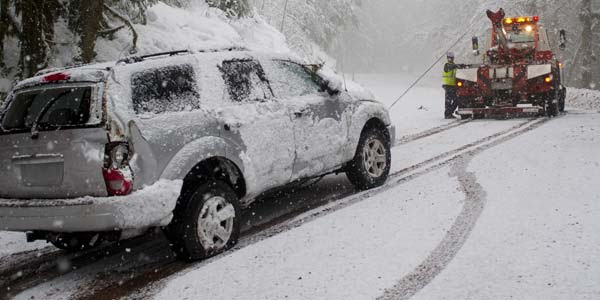
Ontario winters are not theoretical. They are lived experiences defined by freezing rain, black ice, sudden whiteouts, and unplowed roads that test both drivers and vehicles. From lake effect snow near Georgian Bay to icy highway corridors in Southern Ontario and rural concessions that remain snow covered for days, winter driving here demands more than confidence. It demands mechanical reliability, predictable handling, and systems designed for real world conditions.
All wheel drive has become a practical necessity for many Ontario drivers. Not as a symbol of ruggedness, but as a tool for stability and control when road conditions deteriorate without warning. However, not all AWD systems are equal. Some are engineered for marketing appeal rather than winter performance. The most reliable AWD vehicles are those that prioritize consistency, balance, and durability over complexity.
This guide looks at what actually matters when evaluating AWD vehicles for Ontario winters and which types of AWD platforms have proven dependable over time.
What AWD Really Contributes in Winter Driving
All wheel drive distributes power to all four wheels to improve traction when accelerating. In winter conditions, this helps vehicles pull away from stops on icy roads, maintain momentum in deep snow, and climb hills with less wheel spin.
However, AWD does not shorten braking distance and does not prevent sliding on ice. Steering control and stopping ability are primarily determined by tires and road conditions. AWD is most effective when paired with proper winter tires and conservative driving habits.
The most reliable AWD systems in winter conditions are those that engage smoothly and predictably. Sudden torque transfers or aggressive corrections can unsettle a vehicle on ice. Stability matters more than raw traction.
Why Ontario Winters Are Especially Demanding
Ontario winter driving presents a unique combination of challenges. Rapid temperature fluctuations create freeze thaw cycles that leave invisible ice beneath fresh snow. Urban areas experience heavy traffic combined with slush and salt buildup. Rural roads may go hours or days without plowing after a storm.
Drivers often encounter multiple road conditions in a single trip. Clear pavement, compact snow, freezing rain, and glare ice can appear within minutes of each other. Vehicles that perform well in consistently cold climates can struggle when conditions change rapidly.
Reliability in Ontario winters is not about extreme cold alone. It is about adaptability.
The Characteristics of a Reliable AWD System
The AWD vehicles that consistently perform well in Ontario winters share several traits.
First, they engage proactively rather than waiting for wheel slip to occur. Systems that anticipate traction loss feel calmer and more controlled.
Second, they integrate seamlessly with stability control and traction management. The best systems operate quietly in the background rather than constantly intervening.
Third, they deliver power smoothly. Abrupt throttle response can cause loss of control on ice.
Finally, they are mechanically durable. Winter driving places stress on drivetrains, differentials, and suspension components. Reliability depends on conservative engineering as much as technology.
AWD Sedans in Ontario Winters
AWD sedans remain one of the most stable winter platforms for drivers who spend most of their time on highways and major roads. Their lower center of gravity improves directional stability at speed and reduces body movement during sudden maneuvers.
These vehicles excel in urban commuting and long highway drives where roads are frequently plowed but may still be icy or slushy. Their main limitation is ground clearance. Deep snow accumulation on side streets or rural roads can become problematic during heavy storms.
For many Ontario drivers, an AWD sedan with proper winter tires offers excellent winter confidence without the fuel consumption of larger vehicles.
AWD Crossovers and SUVs
AWD crossovers and SUVs have become the dominant winter vehicle choice across Ontario. They strike a balance between traction, ride height, and interior practicality.
Their increased ground clearance helps in unplowed residential areas and during heavy snowfall. Their weight distribution provides stability when carrying passengers or cargo.
The most reliable winter performers in this category are vehicles with simple, well proven AWD systems rather than those relying heavily on electronic simulation. Mechanical engagement combined with refined software tends to produce the most predictable results.
AWD Vehicles for Rural and Northern Ontario
In rural and northern regions, winter driving reliability depends heavily on durability. Roads may remain snow covered for extended periods, and assistance may not be immediately available.
Vehicles that perform well in these environments are those with robust drivetrains, conservative power delivery, and proven cold start reliability. Simpler systems often outperform more complex ones when temperatures drop and road conditions worsen.
Ground clearance, suspension travel, and drivetrain protection become more important than advanced driver aids in these areas.
Winter Tires Are Essential
No discussion of AWD reliability in Ontario is complete without addressing winter tires. AWD without winter tires provides limited benefit and can create a false sense of security.
Winter tires dramatically improve braking performance, steering response, and overall control on snow and ice. They allow AWD systems to function as intended by providing consistent grip at all four corners.
In Ontario, the combination of AWD and winter tires is what transforms winter driving from stressful to manageable.
Reliability Over Features
The most reliable AWD vehicles are not necessarily the most technologically advanced. They are the ones that behave consistently regardless of conditions.
Drivers value vehicles that start reliably on cold mornings, respond predictably to throttle input, and remain composed when traction is limited. Excessive intervention, sudden corrections, or unpredictable behavior undermine confidence.
Winter reliability is measured in uneventful trips, not dramatic recoveries.
Maintenance Plays a Critical Role
AWD systems require proper maintenance to remain reliable. Regular fluid changes, consistent tire wear, and timely repairs are essential.
Mismatched tire sizes or uneven wear can strain AWD components and reduce effectiveness. Neglecting maintenance compromises traction and long term durability.
Drivers who maintain their AWD vehicles properly experience far fewer winter related issues.
Choosing the Right AWD Vehicle for Ontario
The best AWD vehicle depends on how and where you drive.
Urban and highway focused drivers benefit from AWD sedans or compact crossovers with refined stability control.
Suburban drivers and families often prefer mid size AWD crossovers that balance comfort, traction, and cargo capacity.
Rural drivers should prioritize durability, ground clearance, and mechanical simplicity over advanced features.
In every case, realistic expectations and proper preparation matter more than branding.
In Ontario, individuals injured in winter road collisions may need to assess their legal options under provincial personal injury law, often with guidance from firms such as Pelz Law Group.
Final Thoughts
Ontario winters demand respect. AWD is a valuable tool when paired with sound engineering, winter tires, and disciplined driving habits. The most reliable AWD vehicles are those that deliver calm, predictable control when conditions deteriorate.
In a province where winter driving is unavoidable, reliability is not about conquering the storm. It is about arriving safely without noticing how much effort the vehicle put in along the way.