
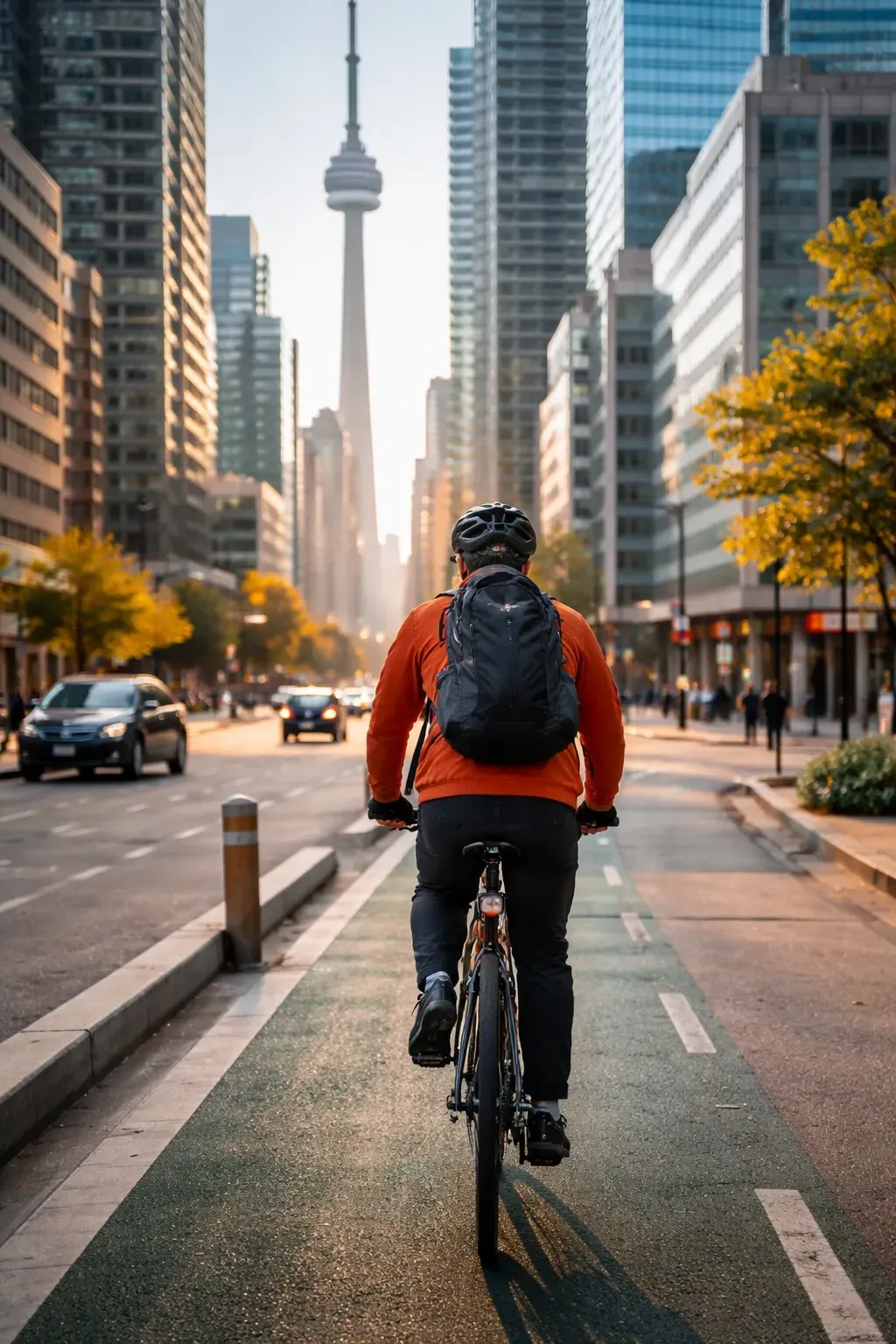
The Reality of Cycling in Toronto and the GTA: Benefits, Risks, and What Riders Face Daily
In Toronto, cycling has moved beyond hobby status. It is now part of the city’s daily rhythm. From early morning commuters cutting through side streets to weekend riders tracing the waterfront, the cycling community continues to expand across the GTA. What was once niche is now mainstream.
But the reality of cycling in Toronto is not a simple story of growth. It is a layered experience shaped by infrastructure, behavior, weather, and risk. For every benefit, there is a counterweight. For every smooth ride, there is a moment of uncertainty.
This is the real landscape cyclists navigate every day.
The Upside: Why Cycling Continues to Surge
Toronto’s cycling boom is not accidental. It is driven by practical advantages that are hard to ignore.
Efficiency in a Congested City
Gridlock is part of daily life in the GTA. For many riders, cycling is simply faster. Short to mid range commutes often take less time by bike than by car or transit, especially during peak hours. Cyclists are not bound by the same bottlenecks.
Cost Control in an Expensive Region
Owning and maintaining a vehicle in the GTA comes with rising costs. Insurance, fuel, parking, and maintenance add up quickly. Cycling offers a low cost alternative that appeals to both young professionals and seasoned entrepreneurs looking to reduce overhead.
Physical and Mental Performance
There is a reason many business leaders and professionals integrate cycling into their routine. The physical benefits are obvious, but the mental clarity is what keeps riders consistent. A ride through the city can reset focus, improve decision making, and create space for strategic thinking.
Community and Culture
Toronto’s cycling scene is not fragmented. It is connected. Group rides, local clubs, and informal networks create opportunities to meet people outside traditional business settings. Conversations that start on a ride often carry into partnerships, collaborations, and long term relationships.
The Infrastructure Gap: Progress Meets Reality
Toronto has invested in cycling infrastructure, but the experience remains inconsistent.
Protected Lanes vs Shared Roads
In the downtown core, protected bike lanes have improved safety and accessibility. Streets like Bloor and Richmond have become examples of what works. But step outside these corridors and the picture changes quickly.
Many routes still rely on painted lines rather than physical separation. In suburban parts of the GTA, cycling infrastructure is often minimal or disconnected. Riders are forced to share space with fast moving traffic, which increases risk significantly.
Connectivity Issues
One of the biggest challenges is continuity. A safe, well designed bike lane can end abruptly, pushing cyclists into high traffic zones with little warning. This lack of seamless connectivity creates unpredictable conditions, even for experienced riders.
The Risk Factor: What Cyclists Face on the Road
Cycling in Toronto requires constant awareness. The risks are not theoretical. They are part of the daily experience.
Driver Behavior
The majority of drivers are not hostile, but awareness varies widely. Sudden lane changes, door openings, and distracted driving remain common concerns. Even a momentary lapse in attention can have serious consequences for a cyclist.
Visibility and Timing
Urban riding involves navigating intersections, blind spots, and changing traffic patterns. Cyclists must anticipate movement from vehicles, pedestrians, and other riders. Timing is critical, especially during rush hour when conditions are less predictable.
Weather Conditions
Toronto’s climate adds another layer of complexity. Rain, snow, and ice reduce traction and visibility. Seasonal riders often step back during winter months, but year round cyclists face a different level of exposure. Cold temperatures and road conditions demand preparation and experience.
The Suburban Reality: A Different Experience in the GTA
Cycling in Toronto is one experience. Cycling in the broader GTA is another.
In areas like Mississauga, Brampton, Vaughan, and Markham, infrastructure tends to be more spread out and less integrated. Roads are wider, speeds are higher, and destinations are farther apart. While there are dedicated trails and paths, they are not always practical for daily commuting.
For many suburban riders, cycling becomes recreational rather than functional. The gap between urban and suburban cycling infrastructure remains a defining issue across the region.
The Cultural Shift: A City in Transition
Despite the challenges, cycling in Toronto is moving forward. Public awareness is growing. Infrastructure is improving, even if unevenly. More people are choosing bikes not just for leisure, but as a serious mode of transportation.
This shift is gradual, but it is real.
Cycling is no longer viewed as an alternative. It is becoming part of the city’s identity.
The Bottom Line
Cycling in Toronto and the GTA offers clear advantages. It saves time, reduces costs, and supports both physical and mental performance. For many, it is a smarter way to move through the city.
At the same time, it comes with risks that cannot be ignored. Infrastructure gaps, driver behavior, and environmental conditions all shape the experience in meaningful ways.
For riders, the decision to cycle is not just about convenience. It is about understanding the environment, adapting to it, and navigating it with awareness.
That is the reality.