
The Real Cost Of Living In Ontario Heading Into 2027
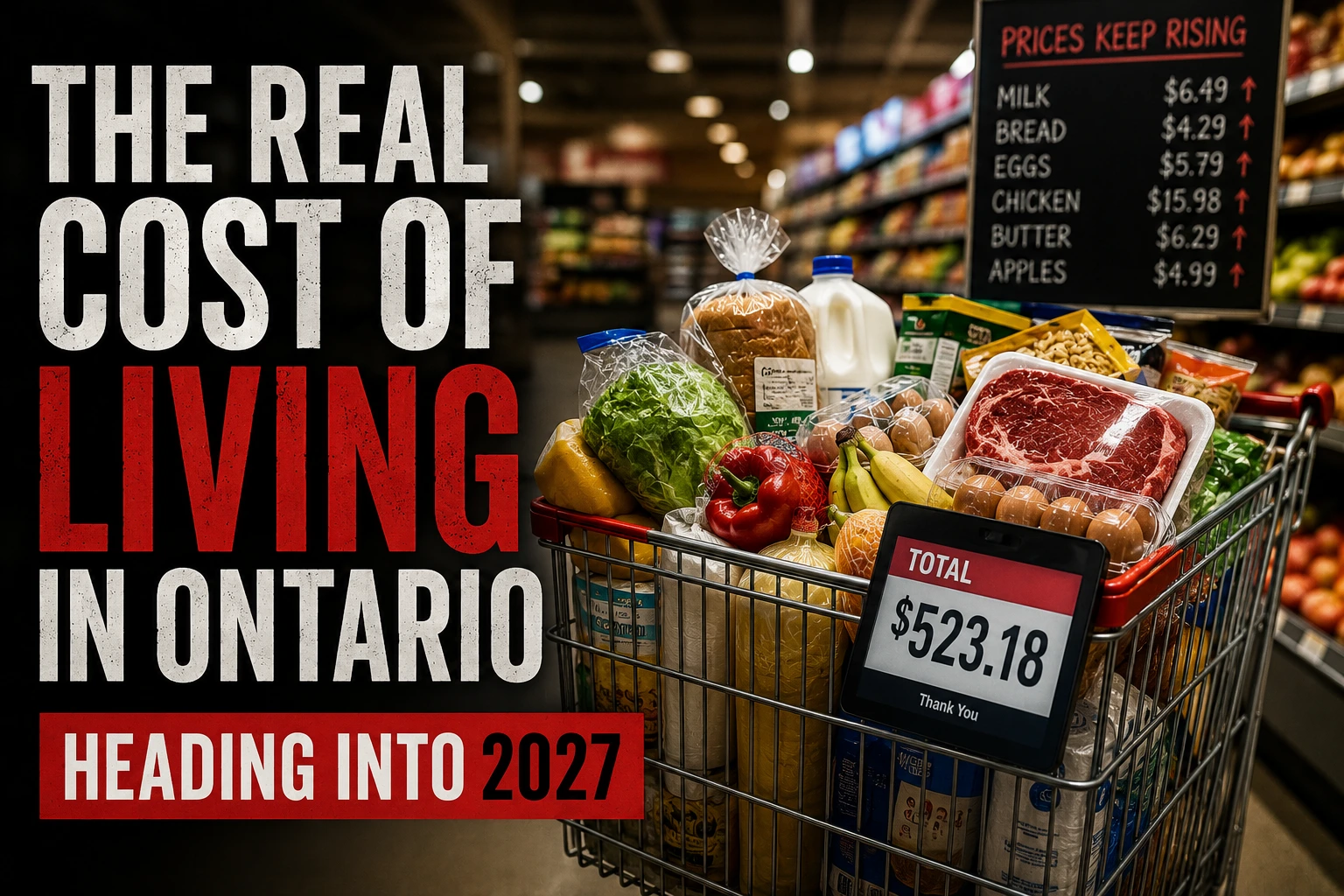
For many Ontarians, the conversation about affordability no longer revolves around a single expense.
A decade ago, housing dominated discussions about the cost of living. Today, the pressure comes from multiple directions at once. Housing remains a major concern, but it now competes with rising insurance costs, transportation expenses, utility bills, groceries, childcare, municipal fees, and a growing number of financial decisions that households are expected to navigate on their own.
The result is a cost-of-living environment that feels more complicated than ever.
As Ontario moves toward 2027, the challenge facing many households is not simply that things cost more. It is that the number of categories demanding a larger share of household income continues to grow.
The financial reality of everyday life has become increasingly layered, affecting residents across income levels and communities throughout the province.
Housing Continues To Shape Household Budgets
Housing remains the largest expense for most households.
Whether renting or owning, Ontarians continue to devote a significant portion of their income to shelter. While the rapid price escalation seen during previous years has moderated in some markets, affordability remains a challenge for many residents.
Higher borrowing costs have altered purchasing power. Renters continue to face competitive markets in many communities. Existing homeowners renewing mortgages often encounter payment increases compared with the ultra-low interest rate environment that existed only a few years ago.
The effects extend beyond major urban centres.
Communities that were once viewed as affordable alternatives have experienced substantial population growth and increased housing demand. As a result, affordability concerns are no longer limited to Toronto and the Greater Toronto Area. Similar conversations are occurring in cities, towns, and regional communities across Ontario.
For younger households attempting to enter the housing market, the question is increasingly not whether home ownership is desirable, but whether it is attainable.
Groceries Are No Longer A Temporary Concern
Food inflation may no longer dominate headlines in the same way it once did, but grocery costs remain noticeably higher than they were several years ago.
Consumers have adapted by changing purchasing habits, shopping more strategically, and paying closer attention to weekly promotions. Yet many households continue to feel the cumulative effect of higher food costs.
What makes grocery spending particularly significant is its frequency. Unlike a mortgage payment or annual insurance premium, food expenses occur week after week.
Even modest increases become highly visible over time.
For families, the impact can be substantial. School lunches, household staples, fresh produce, meat, dairy products, and prepared foods collectively represent a meaningful portion of monthly spending.
While inflation rates may fluctuate, many consumers judge affordability by what they experience at the checkout line. For a growing number of Ontarians, grocery spending remains one of the clearest indicators of how much everyday life has changed.
Transportation Costs Continue To Rise
Transportation remains another major contributor to household expenses.
In a province where many residents rely heavily on personal vehicles, the cost of driving extends far beyond fuel. Vehicle ownership now involves a growing collection of expenses that include insurance, maintenance, repairs, parking, licensing, and financing.
Even households that attempt to reduce driving often encounter challenges related to commuting patterns, regional infrastructure, and public transit availability.
The financial burden becomes especially noticeable for families operating multiple vehicles.
As vehicles become more technologically advanced, repair costs have also increased. Components that were once relatively inexpensive to replace may now involve sensors, software, calibration requirements, and specialized labour.
For many Ontarians, transportation is no longer simply a convenience. It is a significant budget category that influences decisions about where people live, work, and travel.
Insurance Is Becoming More Complex
Insurance may be one of the least visible contributors to the cost of living, yet it continues to play an increasingly important role in household finances.
Home insurance, tenant insurance, travel coverage, supplemental health plans, and auto insurance all represent recurring expenses that many households must manage.
Heading into 2027, one of the most significant changes affecting Ontario drivers involves the province's auto insurance system.
Beginning July 1, 2026, several accident benefits that were previously included automatically became optional coverage choices. While medical, rehabilitation, and attendant care benefits remain mandatory, many other protections now require policyholders to make additional coverage decisions.
Supporters argue the changes provide consumers with greater flexibility. Critics note that increased flexibility often requires consumers to make complex insurance decisions that many may not fully understand.
Regardless of perspective, the practical reality is that insurance has become another area where Ontarians must pay closer attention to policy details, coverage selections, and potential gaps.
The financial impact may not be immediately visible, but the decisions made today could affect households years into the future.
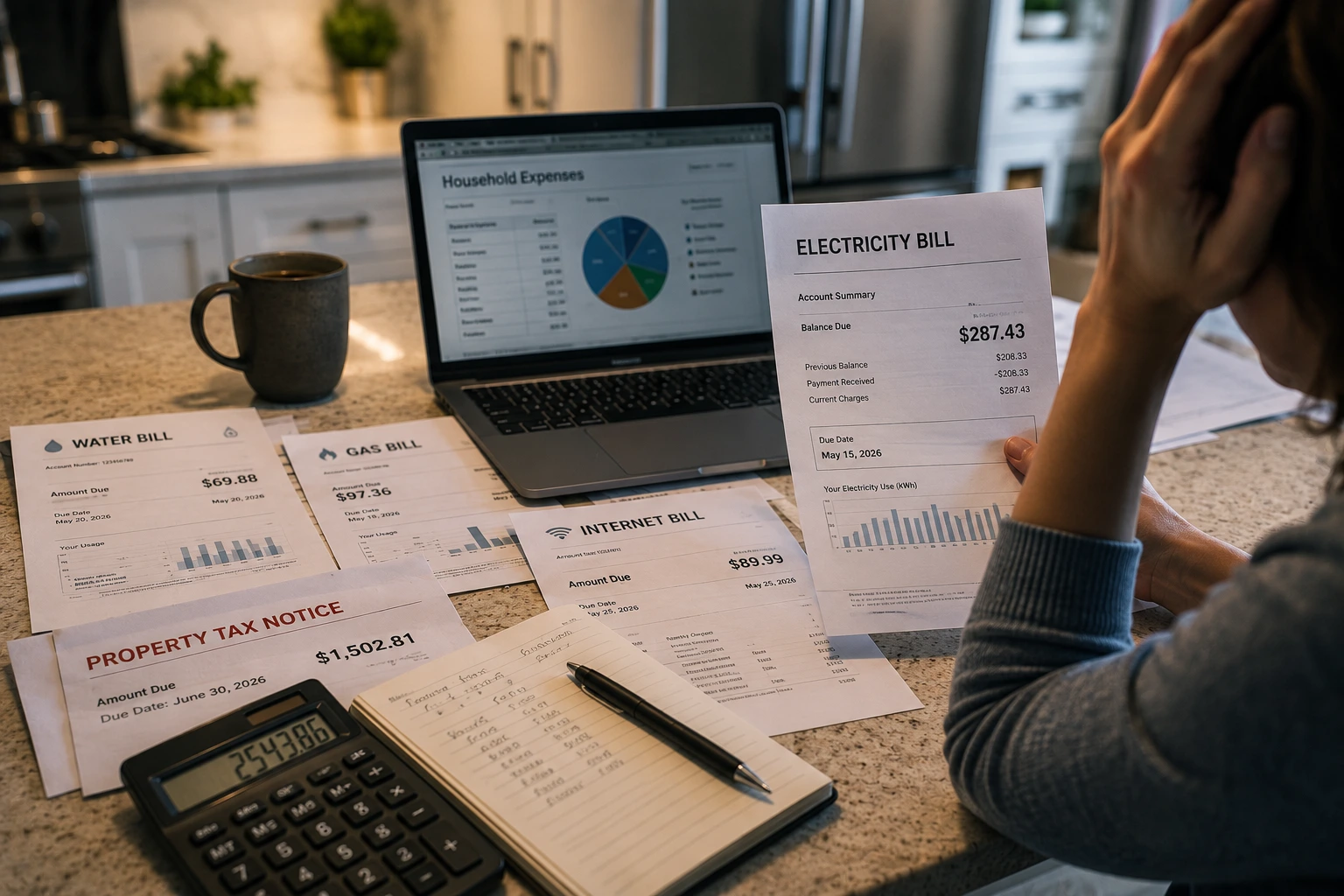
Utility Bills And Municipal Costs Remain Pressure Points
Housing costs rarely exist in isolation.
Property taxes, water charges, utility costs, waste management fees, and other municipal expenses continue to influence affordability across the province.
For homeowners, these costs represent recurring obligations that often rise gradually over time. Because increases are incremental, they can be easy to overlook individually while becoming significant collectively.
Municipal governments throughout Ontario continue to face infrastructure demands associated with population growth, aging systems, and long-term capital planning. Roads, bridges, transit systems, water infrastructure, recreation facilities, and emergency services all require ongoing investment.
Ultimately, many of these costs are reflected directly or indirectly in household budgets.
The challenge for residents is that these expenses are often unavoidable. Unlike discretionary spending categories, utilities and municipal services represent essential components of daily life.
Wage Growth Helps, But Not Everyone Benefits Equally
Ontario's minimum wage is scheduled to increase to $17.95 per hour effective October 1, 2026. The increase is intended to reflect inflation and maintain purchasing power for workers earning minimum wage.
For many workers, higher wages provide meaningful financial support.
However, the relationship between wages and affordability remains complex.
Not every worker earns minimum wage. Not every household benefits equally from wage increases. Businesses facing higher labour costs may also encounter pressures that influence pricing decisions throughout the economy.
As a result, wage growth alone is unlikely to resolve broader affordability concerns.
The issue is not simply whether incomes are rising. It is whether incomes are rising quickly enough to keep pace with the cumulative cost of housing, food, transportation, insurance, and everyday necessities.
The Hidden Cost Of Complexity
One of the most overlooked aspects of Ontario's cost-of-living challenge is complexity itself.
Many expenses now require active management.
Insurance policies involve more choices. Housing decisions require more research. Transportation costs involve a growing range of variables. Utility expenses fluctuate. Financial planning has become increasingly dependent on understanding systems, policies, and regulations.
In previous decades, some expenses were more predictable. Today, households are expected to evaluate coverage options, compare providers, monitor renewal dates, assess risk, and make increasingly detailed financial decisions.
The burden is not always measured in dollars.
Sometimes it is measured in time, attention, and uncertainty.
Looking Toward 2027
Ontario remains one of Canada's most dynamic and economically significant provinces. Population growth continues. Communities are expanding. Infrastructure investments are underway. New opportunities continue to emerge across multiple industries.
Yet the affordability conversation shows no signs of disappearing.
The cost of living heading into 2027 is not defined by a single crisis or a single expense. It is defined by accumulation. Housing, transportation, food, insurance, utilities, and regulatory changes all contribute to a financial environment that many households describe as increasingly difficult to navigate.
For some residents, the challenge is managing higher costs. For others, it is managing greater complexity. For most, it is some combination of both.
The result is a province where financial decisions increasingly shape everyday life, influencing where people live, how they travel, what they spend, and how they plan for the future.
As Ontario enters 2027, affordability remains one of the defining issues affecting households across the province—not because of any single expense, but because of the growing number of expenses competing for attention at the same time.