
Why Gas Prices Are Rising Again Across Ontario and What Drivers Can Expect in the Coming Weeks
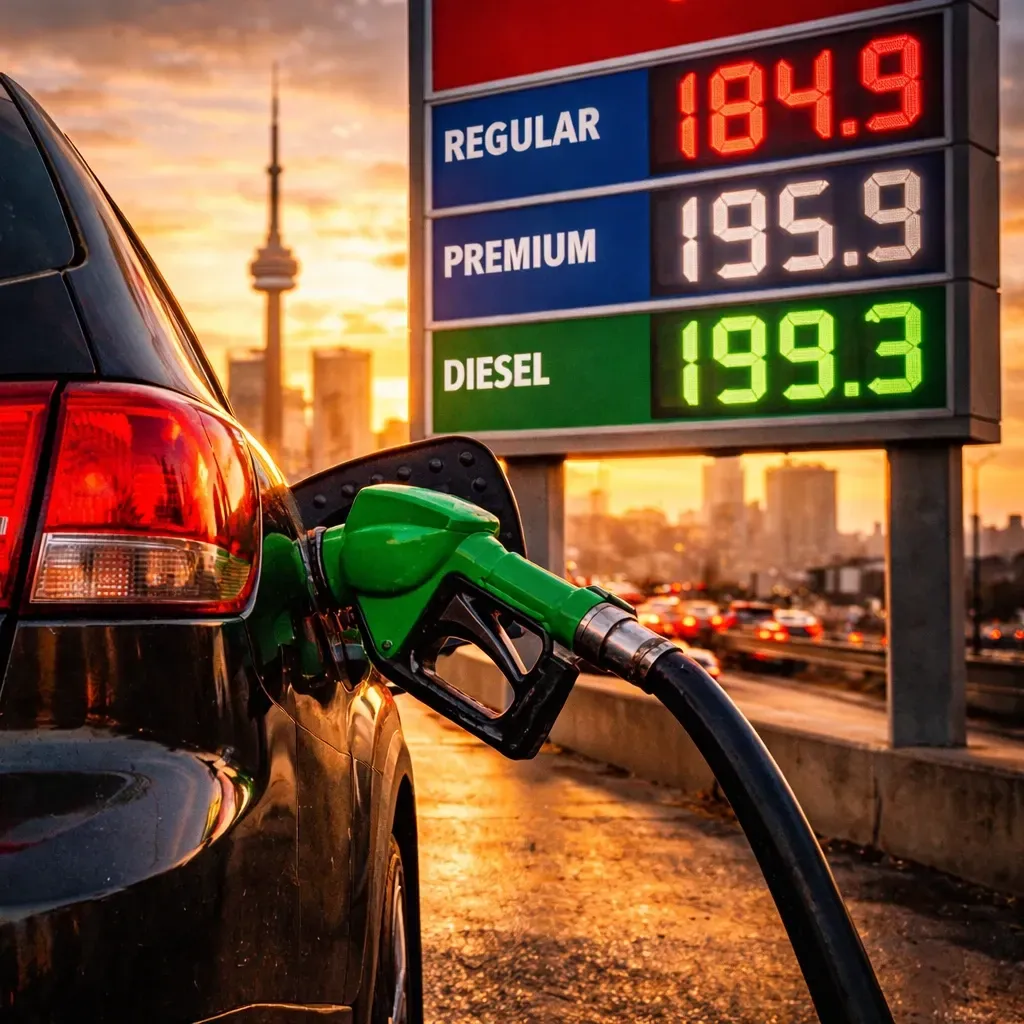
Drivers across Ontario have once again seen gasoline prices climb at local stations, sometimes rising several cents per litre within a single day. For commuters in the Greater Toronto Area, families in suburban communities, and businesses that rely on transportation, the cost of fuel has become a regular concern.
Gasoline prices may appear unpredictable, but they are not random. The price drivers see on a station sign is the result of several economic forces that operate far beyond the neighbourhood gas station. Global oil markets, refinery capacity, seasonal fuel requirements, the Canadian dollar, and government taxes all influence the final price.
Understanding how these factors work together helps explain why prices can move quickly and why Ontario drivers often feel the impact.
The Global Oil Market Sets the Starting Point
The most important factor behind gasoline prices is the cost of crude oil. Crude oil is the raw material refined into gasoline, diesel, jet fuel, and other petroleum products.
Oil prices are set in global commodity markets using benchmark prices such as West Texas Intermediate crude in North America and Brent crude in international markets. These benchmarks represent the market value refiners pay for crude oil.
Canada produces large volumes of oil, primarily in Alberta, yet the price of that oil is still tied to these global benchmarks. When international crude prices rise because of increased demand, supply restrictions, or geopolitical tensions, the cost of crude oil purchased by refineries rises as well.
Refineries then pass those higher input costs through the fuel supply chain, which eventually affects the price drivers pay at the pump.
In other words, even though Canada produces significant energy resources, gasoline prices are still connected to global oil markets rather than strictly domestic supply.
North American Refinery Capacity Affects Fuel Supply
Once crude oil is produced, it must be refined into usable fuels. Refining is a complex industrial process that converts crude oil into gasoline and other products through distillation and chemical treatment.
Ontario does not rely solely on local refining capacity. Fuel in the province comes from refineries in Ontario, Quebec, the United States Midwest, and occasionally other regions depending on supply conditions.
Because the North American refining network is interconnected, disruptions in one area can affect supply across the system. When refineries undergo scheduled maintenance or temporarily reduce output, wholesale gasoline supply can tighten.
A reduction in refining output often pushes wholesale gasoline prices higher, which quickly moves through the distribution network and appears in retail prices.
The wholesale gasoline market used by Ontario fuel distributors is heavily influenced by major trading hubs such as Chicago. When wholesale gasoline prices rise in these markets, Ontario retailers typically see their costs increase as well.
Seasonal Fuel Changes Increase Production Costs
One of the least understood drivers of gasoline prices is the seasonal change between winter and summer fuel blends.
During warmer months, environmental regulations require gasoline that evaporates less easily. These summer blends reduce smog and air pollution but are more expensive for refineries to produce.
The transition from winter gasoline to summer gasoline typically occurs in the spring across North America. As refineries adjust production and supply tightens during the transition period, wholesale gasoline prices often rise.
This seasonal shift alone can add several cents per litre to retail gasoline prices during the spring months.
While these environmental standards help improve air quality, they also contribute to seasonal increases in fuel costs.
The Canadian Dollar Also Influences Pump Prices
Crude oil is traded globally in United States dollars. Because of this, the value of the Canadian dollar relative to the United States dollar plays a significant role in fuel pricing.
When the Canadian dollar weakens, Canadian refiners and fuel importers must pay more Canadian dollars to purchase crude oil or refined gasoline from international markets.
Even if global oil prices remain stable, a weaker Canadian dollar increases the cost of importing petroleum products. That increase eventually flows through to retail gasoline prices.
Conversely, when the Canadian dollar strengthens against the United States dollar, it can help moderate fuel prices in Canada.
Currency exchange rates therefore act as an additional economic layer influencing what drivers pay for gasoline.
Taxes Represent a Significant Share of Fuel Prices
Taxes account for a substantial portion of the gasoline price paid by Ontario drivers.
Fuel prices in Ontario include federal fuel taxes, provincial fuel taxes, and sales tax. Combined, these taxes can represent a significant share of the price per litre.
While taxes do not fluctuate daily in the same way wholesale gasoline prices do, they amplify price movements. When the underlying price of gasoline increases, the tax applied to that price increases as well.
As a result, drivers often see larger increases at the pump than the underlying wholesale price change alone would suggest.
Taxes are also one of the most visible elements of gasoline pricing, which is why they frequently become part of public discussion when fuel prices rise.
Local Competition Has Limited Impact
Many drivers assume gas stations set prices independently, but retail margins are usually relatively small.
Most of the cost of gasoline is determined before the fuel reaches the retail station. Wholesale prices, transportation costs, and taxes account for the majority of the price per litre.
Retailers adjust their prices based on the wholesale cost they pay and the level of competition in their area. Stations located near major highways or in competitive urban markets may have slightly different prices than stations in smaller communities.
However, because retailers are purchasing gasoline from the same wholesale markets, price changes often occur across entire regions at roughly the same time.
What Ontario Drivers Can Do to Reduce Fuel Costs
Although drivers cannot control oil markets or refinery production, there are practical steps that can reduce fuel consumption and help lower transportation costs.
One effective strategy is improving trip planning. Combining errands into a single outing reduces the number of kilometres driven and lowers fuel consumption.
Vehicle maintenance also plays a significant role in fuel efficiency. Properly inflated tires, clean air filters, and routine engine maintenance can improve fuel economy and prevent unnecessary fuel use.
Driving style also matters. Rapid acceleration and aggressive braking increase fuel consumption. Maintaining steady speeds and avoiding sudden acceleration can improve efficiency.
Monitoring fuel prices can also help drivers save money. Prices sometimes vary between neighbourhoods or nearby cities, and drivers who track prices can occasionally find lower cost stations.
Another option involves considering more fuel efficient vehicles. Advances in hybrid technology and modern engine design have improved fuel efficiency significantly in many vehicles sold today.
While changing vehicles may not be practical for every driver, improved efficiency can reduce fuel expenses over the long term.
The Outlook for Gas Prices in Ontario
Fuel prices will likely continue to fluctuate because they depend on global economic conditions, energy demand, and supply decisions from oil producing nations.
Periods of strong economic growth typically increase demand for transportation fuels, while geopolitical tensions or production limits can restrict supply.
At the same time, long term shifts toward electric vehicles and alternative energy sources may gradually influence the future demand for gasoline.
For now, gasoline remains essential for transportation across Ontario. Millions of drivers rely on their vehicles for commuting, business, and daily life.
Understanding how fuel prices are determined does not eliminate the frustration of rising costs, but it does provide clarity. Gasoline prices are shaped by a complex economic system that extends far beyond the local gas station.
For Ontario drivers, staying informed and adopting efficient driving habits may not eliminate rising prices, but it can help reduce the financial impact of every trip to the pump.