
Visibility Beyond Advertising
Visibility With Editorial Presence
OntarioGo gives companies a more polished digital presence designed to support credibility, discovery, and long term recognition.
Get FeaturedPresence
A stronger public profile creates a clearer first impression online.
Publishing
Professional content gives visibility more depth and context.
Discovery
Structured visibility helps people find and understand your company faster.
Credibility
Consistent presentation helps recognition grow over time.
ARTICLES

How To Protect Your Finances After a Car Accident in Ontario
Learn practical ways to protect your finances after a car accident in Ontario, avoid costly mistakes, understand available benefits, and reduce out of pocket expenses. ...more
OntarioGo Insights
June 07, 2026•5 min read

How Ontario Techpreneurs Are Building Smarter Businesses For 2027
Discover how Ontario techpreneurs are using AI, automation, digital systems, websites, and smarter business strategies to prepare for growth in 2027. ...more
OntarioGo Insights
June 07, 2026•6 min read

10 Common Mistakes People Make After a Car Accident in Ontario
Learn the 10 most common mistakes people make after a car accident in Ontario and discover how to protect your health, insurance claim, accident benefits, and recovery. ...more
OntarioGo Insights
June 06, 2026•5 min read

What To Do If You Lost Your Job In Ontario
Lost your job in Ontario? Learn practical steps to protect your finances, understand your rights, review severance offers, and plan your next career move. ...more
OntarioGo Insights
June 06, 2026•5 min read
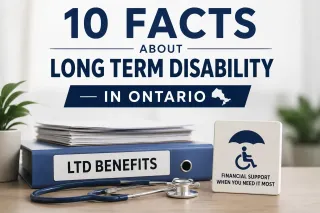
10 Facts About Long Term Disability In Ontario
Learn 10 important facts about long term disability benefits in Ontario, including eligibility, claim denials, medical evidence, policy reviews, and claimant rights. ...more
OntarioGo Insights
June 06, 2026•5 min read

Hidden Costs Of Buying A Home In Ontario That Many Buyers Overlook
Learn about the hidden costs of buying a home in Ontario, including closing costs, mortgage fees, property taxes, inspections, insurance, maintenance, repairs, and renovation expenses that can affect ... ...more
OntarioGo Insights
June 03, 2026•6 min read






Featured Companies With Credible Presence
Professional presentation helps established Ontario companies look clearer, stronger, and easier to trust online.
OntarioGo gave Bunbury Builders a cleaner way to present our work, our process, and our credibility. The page feels professional without looking like a generic listing.
Bunbury Builders Construction And DevelopmentThe presentation gave Trillium Mortgage a stronger public profile and made our private mortgage services easier to understand for Ontario clients.
Trillium Mortgage Private Mortgage LendingOntarioGo helped Pelz Law Group appear more established online with a professional profile that supports trust before someone reaches out.
Pelz Law Group Ontario Personal Injury LawThe OntarioGo profile gave Lutfi Law a polished digital presence with the right tone for legal services, clear, measured, and credible.
Lutfi Law Employment And Human Rights LawOntarioGo created a more credible way for people to understand who we are and why our services matter, without relying on hard sell messaging.
Harbourview Wellness Health And Wellness ServicesThe profile gave our company a more refined presence and helped clients see our work with more context before starting a conversation.
Summit Ridge Homes Real Estate And Property ServicesWhat Business Owners Usually Ask
Straight answers about how OntarioGo presents companies, publishes content, and helps people understand who they are.
What Is OntarioGo?
OntarioGo is a public facing platform that presents Ontario companies through clean profiles, useful content, and professional online presentation.
Who Is OntarioGo For?
OntarioGo is for companies that want a stronger way to introduce themselves online without relying only on a standard website, directory listing, or paid ad.
What Does A Company Page Include?
A company page can include a business overview, service information, contact details, media, calls to action, and content written in a clear editorial style.
Can OntarioGo Publish Articles Or Blog Content?
Yes. OntarioGo can publish articles, blog content, company features, and helpful resources that give readers more context about a company or topic.
Is This The Same As A Directory Listing?
No. A directory listing is usually basic contact information. OntarioGo is designed to give companies a more complete and professional public presentation.
Can Companies Add Video Or Visual Content?
Yes. Company pages can support video, images, and other media when those elements help explain the company clearly and professionally.
Does OntarioGo Guarantee Rankings Or Leads?
No. OntarioGo does not guarantee rankings, traffic, leads, or specific results. The purpose is to improve public presentation, content depth, and visibility opportunities.
How Do Companies Get Started?
Companies can request to be featured, provide their business information, and work through the setup process for their profile, content, and presentation.


